Suzhou Qingtai International Industrial Design Village: A New Cultural District
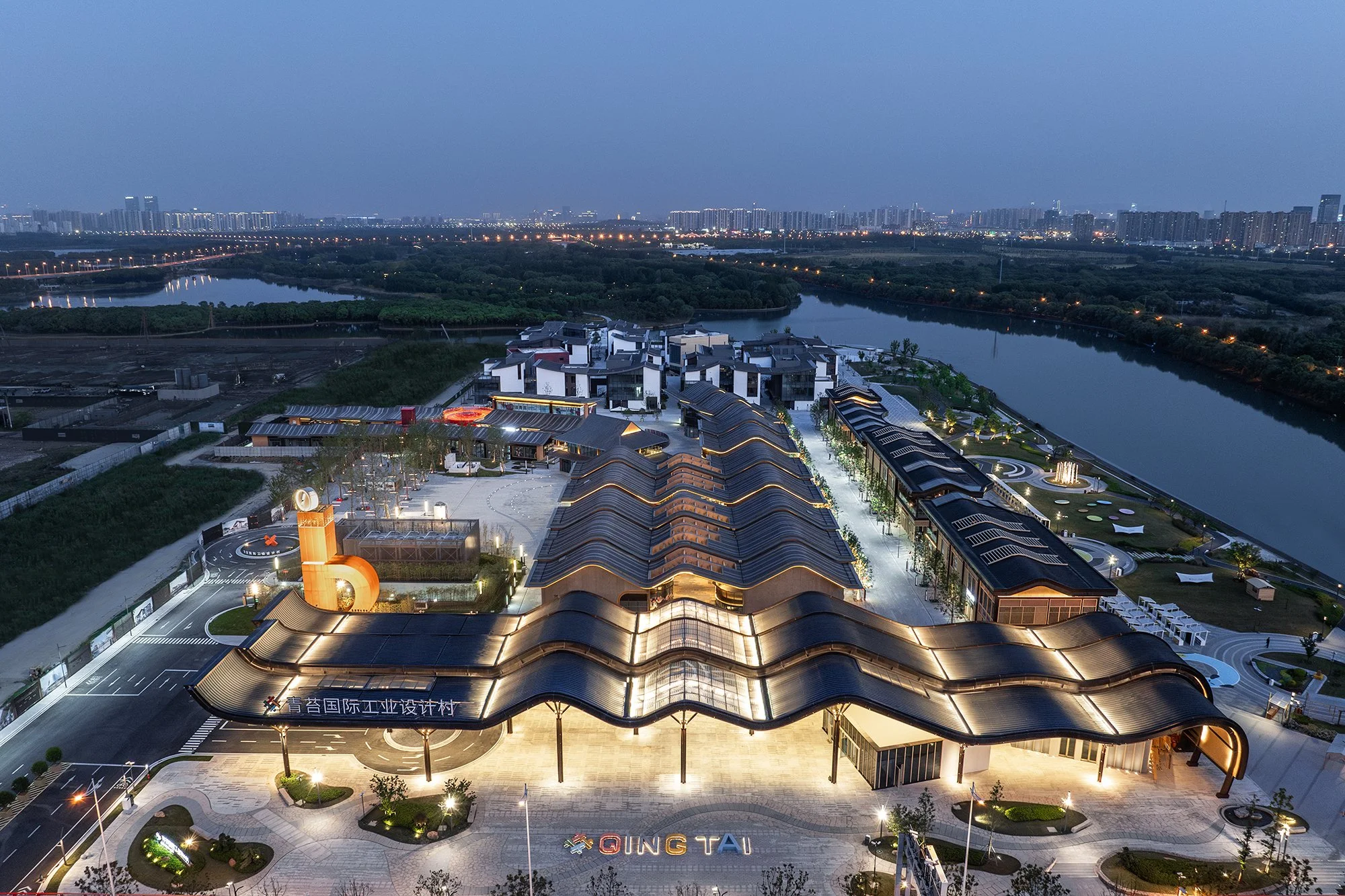
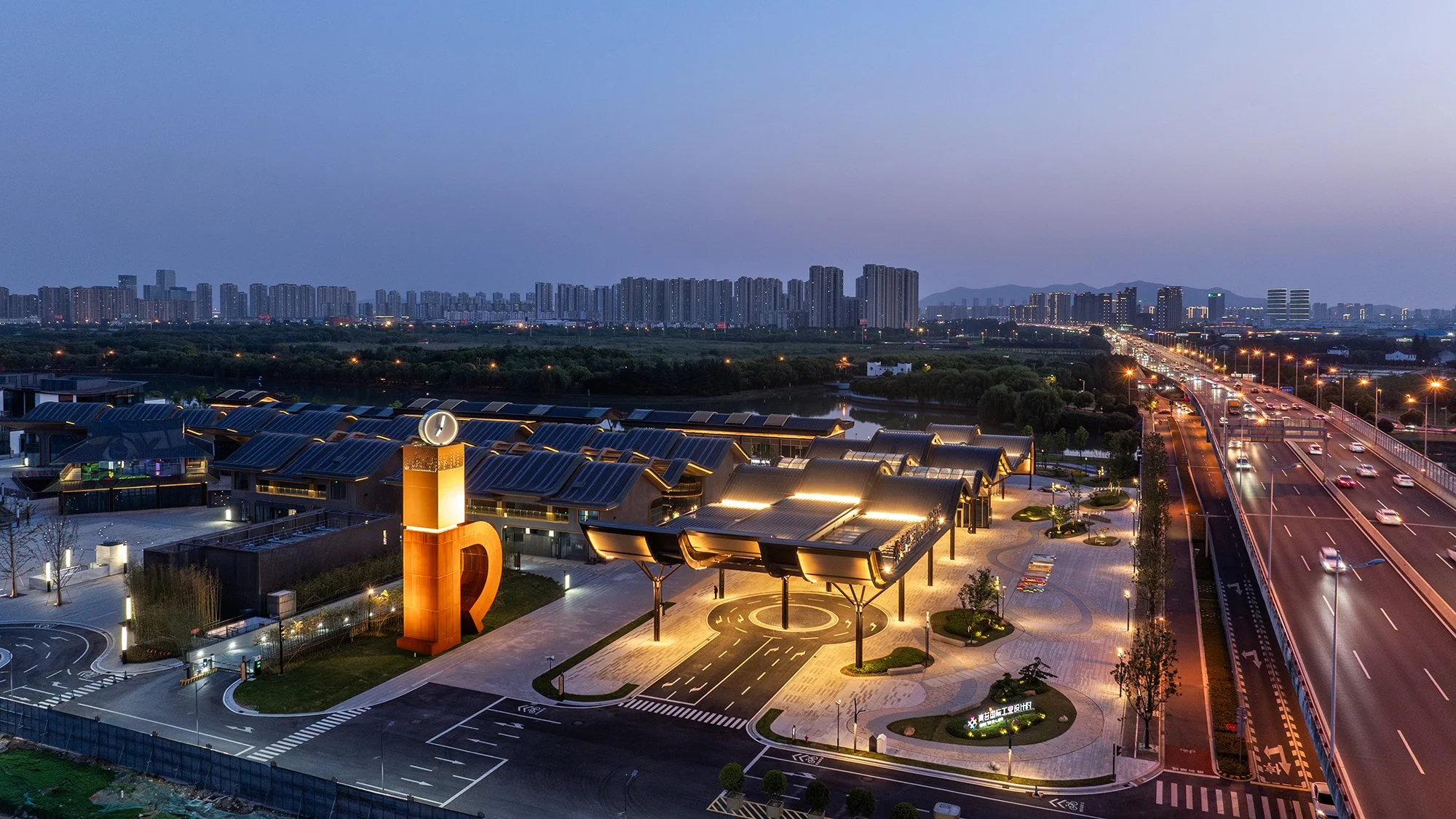
Suzhou Qingtai International Industrial Design Village Phase I, Craft and Innovation Market + Floating Market
Many contemporary cities produce shared urban environments that are largely indifferent to human experience. Streets are frequently designed around movement, access and efficiency, while the emotional and psychological needs of the people who inhabit them receive far less attention. Increasingly, however, research emerging from the behavioural sciences suggests that this imbalance carries consequences. Urban environments can influence stress, anxiety and engagement, shaping how we feel as much as how we move.
Within this discussion, what might be called sensual ecology remains something of a Cinderella within urban planning. The discipline tends to prioritise infrastructure and circulation, yet the atmosphere of the city is often determined by quieter forces: light reflecting on water, the murmur of conversation along a promenade, the rhythm of people moving through shared space. These subtle sensory conditions help create the emotional texture of urban life, what might simply be described as the “vibe” of a place.
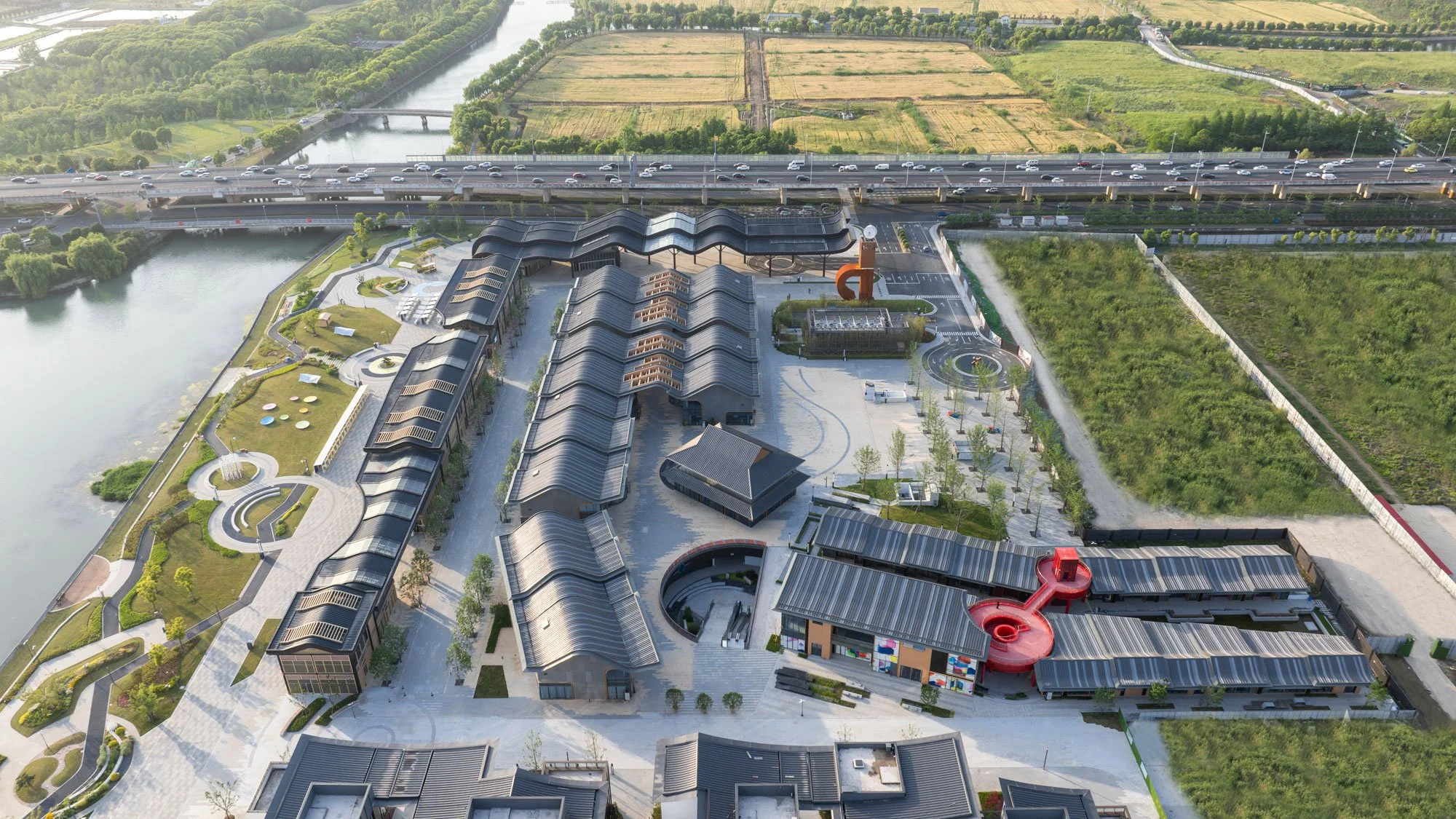
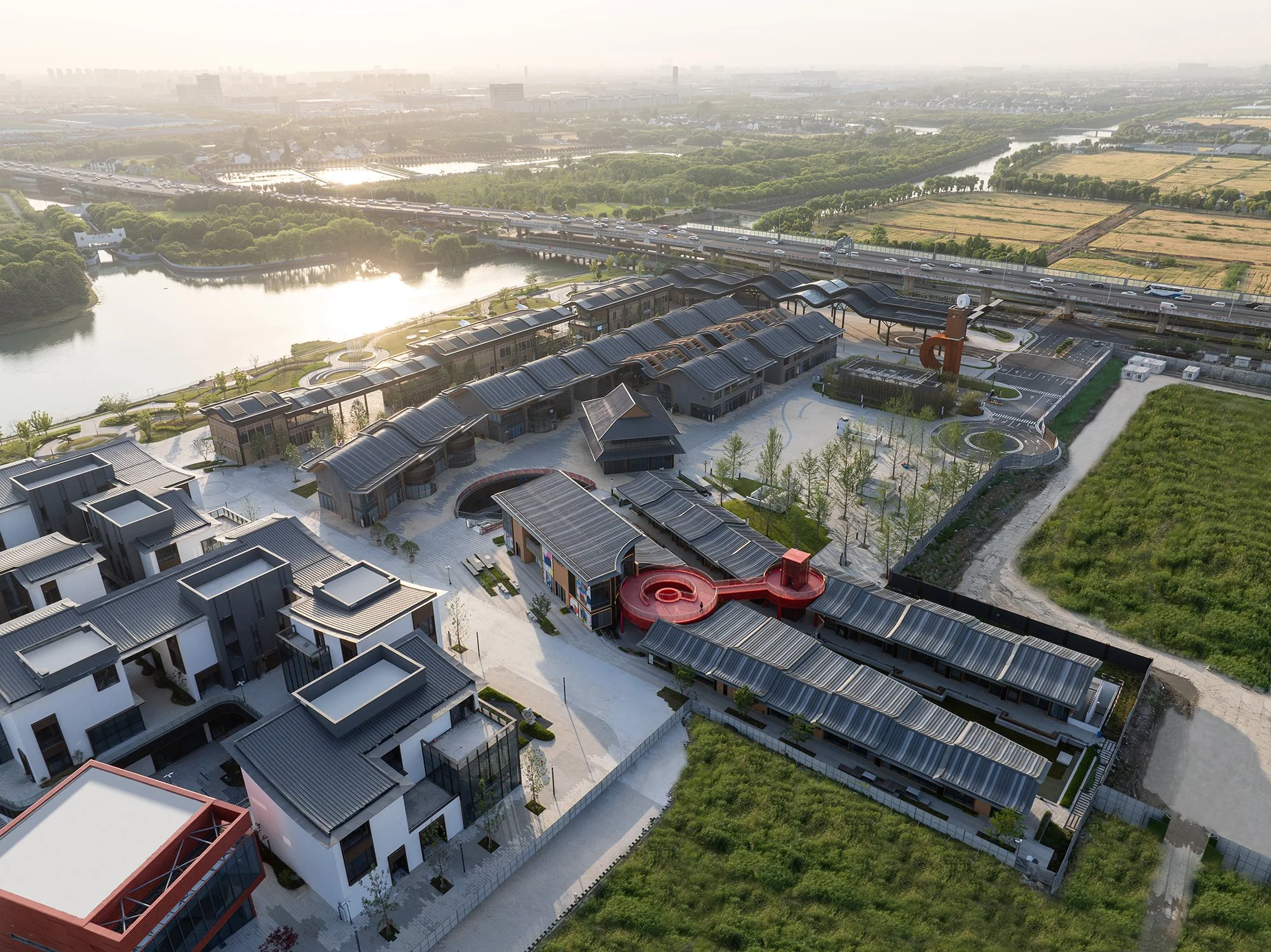
Suzhou Qingtai International Industrial Design Village Phase I, Craft and Innovation Market + Floating Market
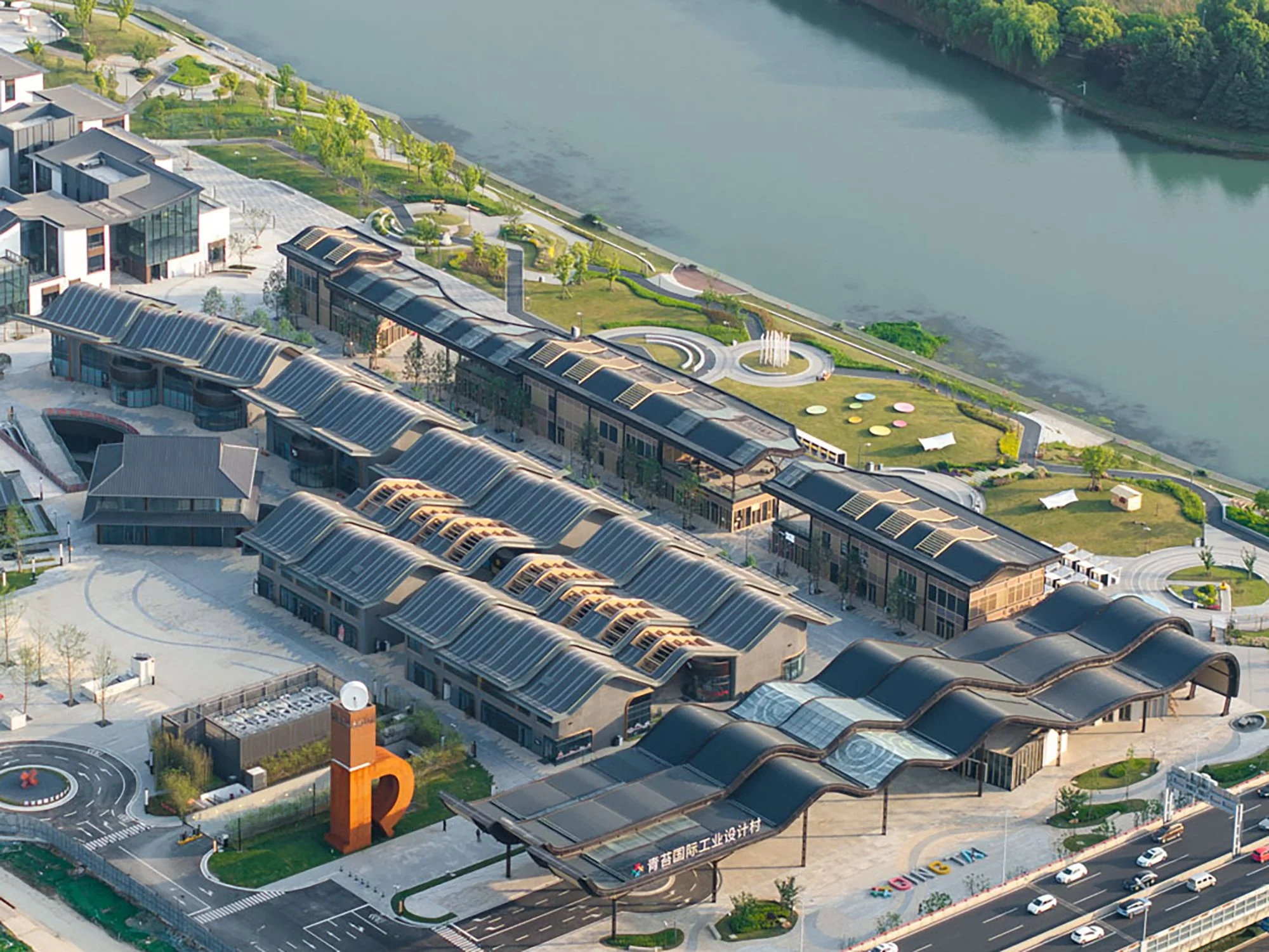
Suzhou Qingtai International Industrial Design Village Phase I, Craft and Innovation Market + Floating Market
Walking plays a central role in this experience
At pedestrian pace the city reveals itself gradually: small details, fragments of activity, unexpected encounters. Behavioural research increasingly recognises that this slow engagement with the urban environment carries cognitive benefits, encouraging curiosity while reducing stress. The mind wanders productively, absorbing impressions and making connections that hurried movement rarely allows.
The nineteenth-century figure of the flâneur captured this idea perfectly. Writers such as Charles Baudelaire described the flâneur as an attentive urban wanderer, someone who strolls through the city observing the subtle theatre of everyday life. Later interpreted by thinkers such as Walter Benjamin, the flâneur represents a form of urban curiosity that values experience and observation over efficiency.
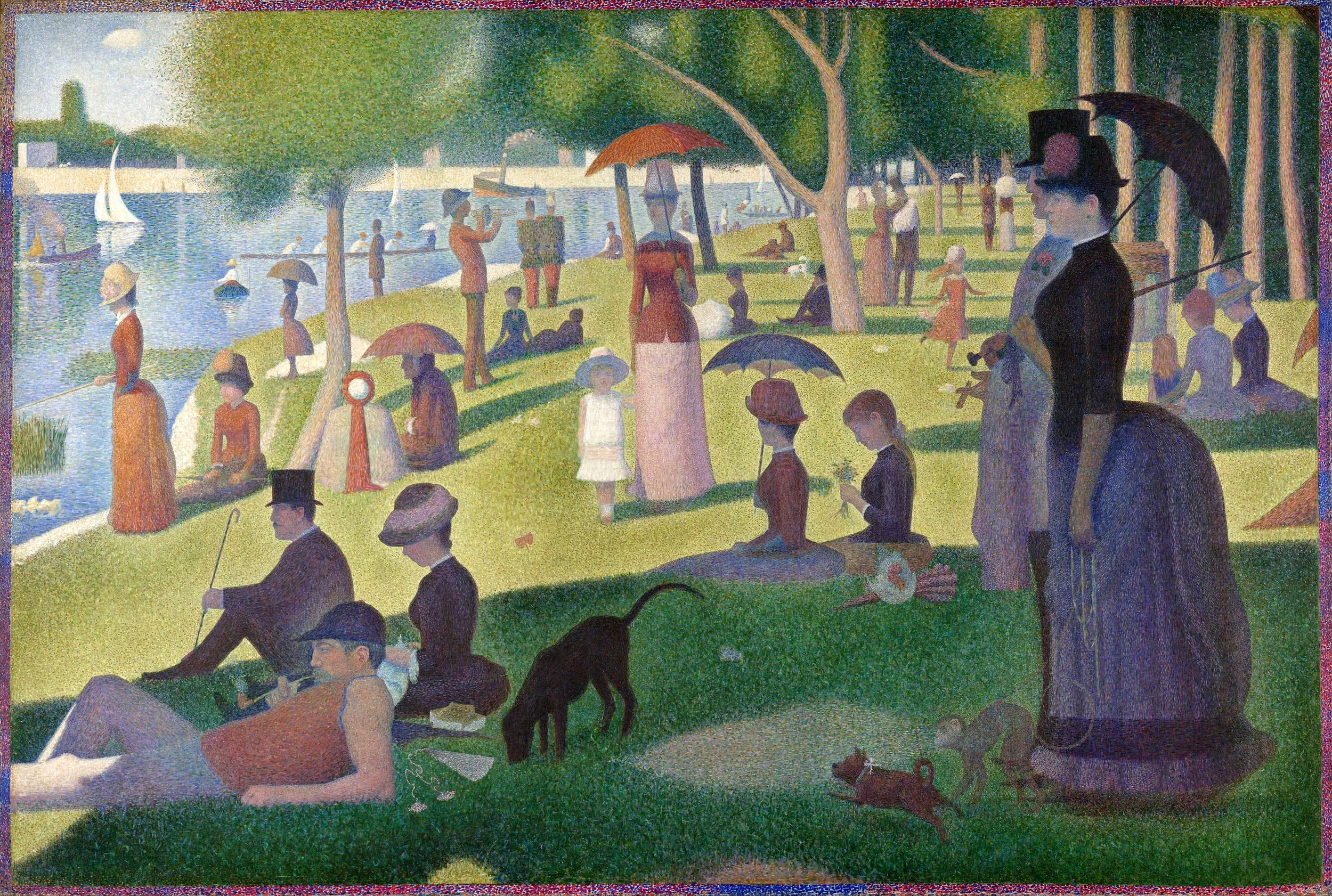
Georges Seurat
A Sunday Afternoon on the Island of La Grande Jatte, 1886
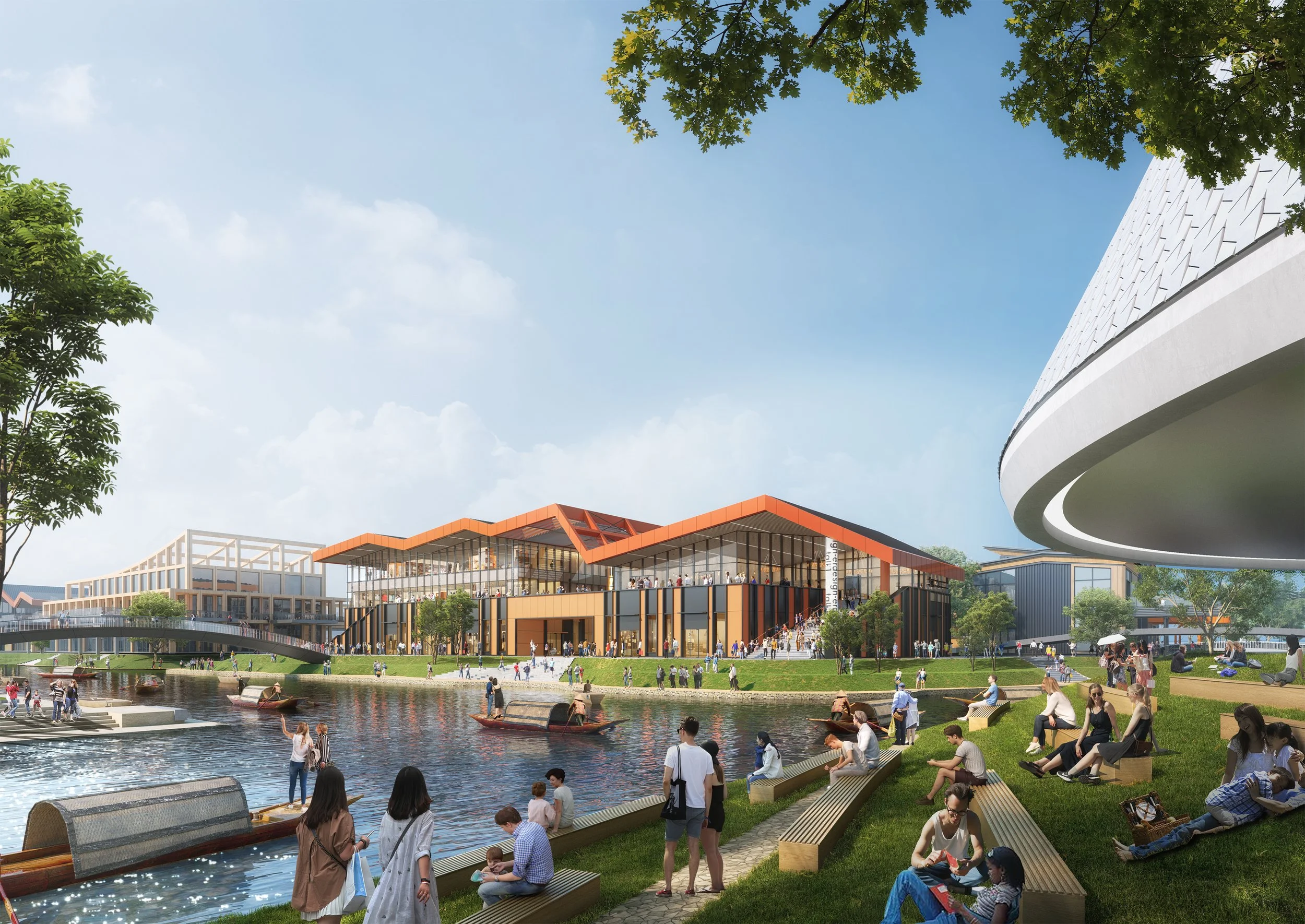
The central water feature area looking south towards the waterfront district of Suzhou Qingtai International Industrial Design Village Phase II
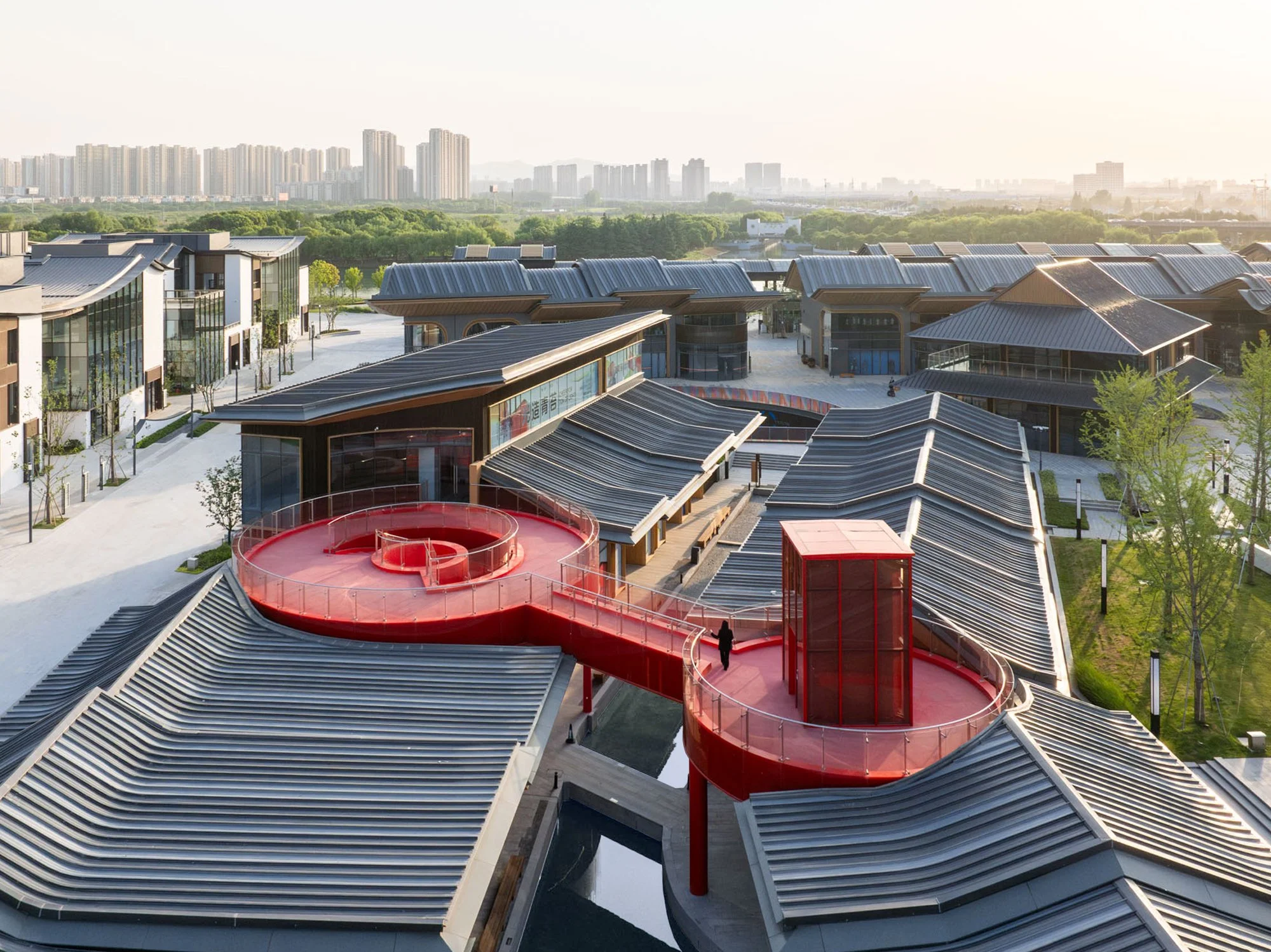
The public spaces, street, squares and waterfront of SPARK’s Suzhou Qingtai Industrial Design Village were conceived holistically in a similar spirit. Running through and around the heart of the village, water bodies form a slow civic promenade aligned toward the Expo Culture Building at its far end. Rather than functioning simply as infrastructure, the waterway establishes a social landscape where movement, commerce and everyday encounter intersect.
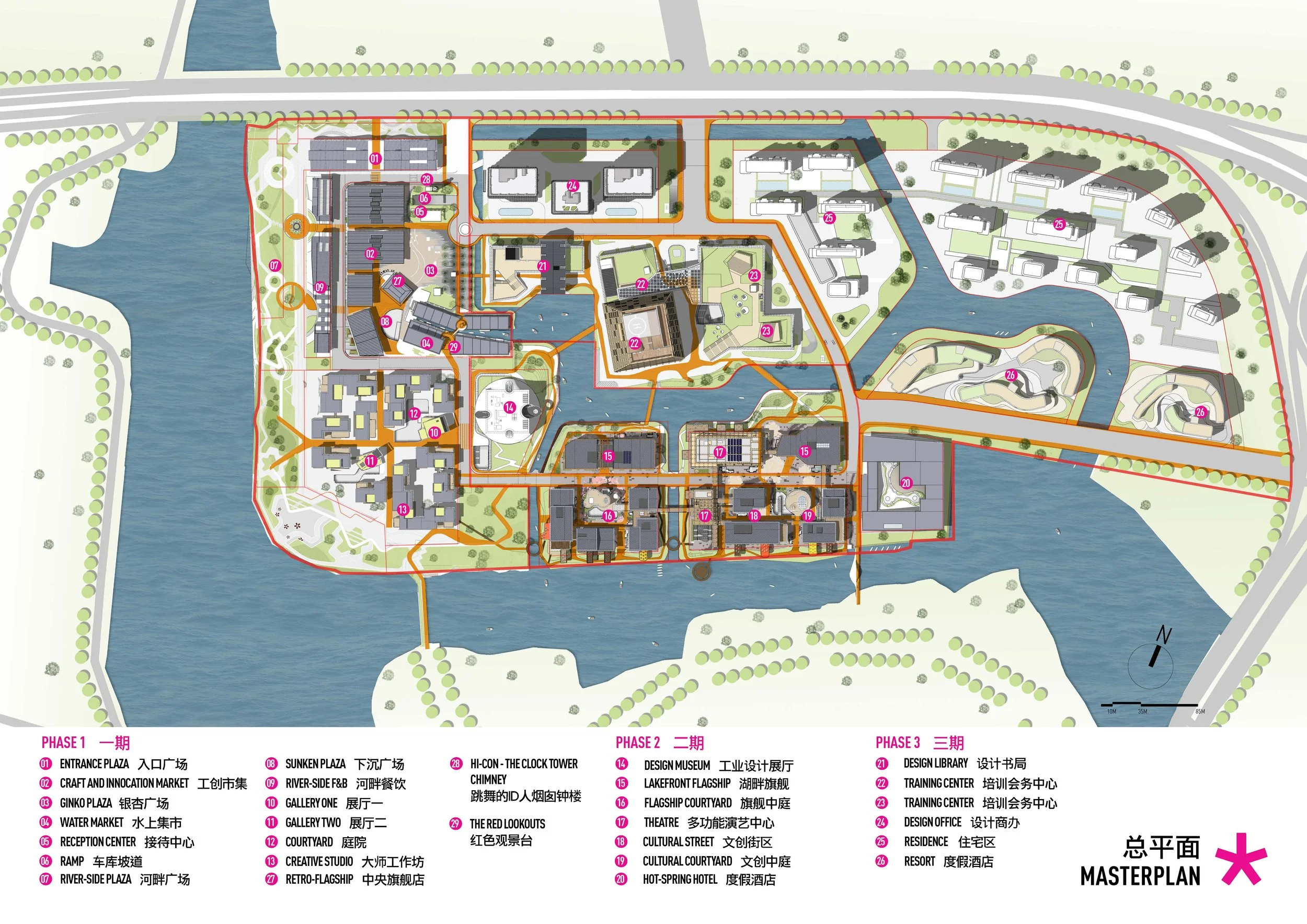
Suzhou Qingtai International Industrial Design Village Masterplan
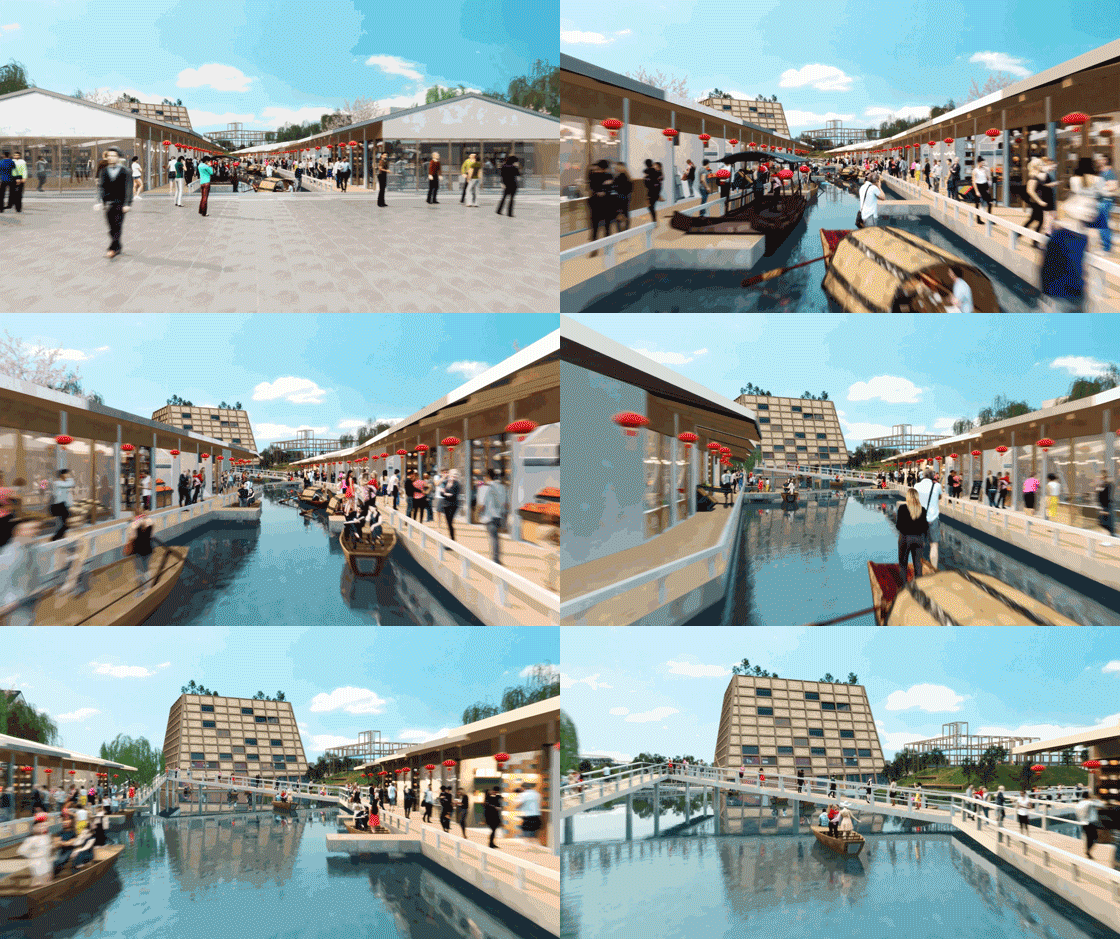
A winding waterway meanders through the designed village
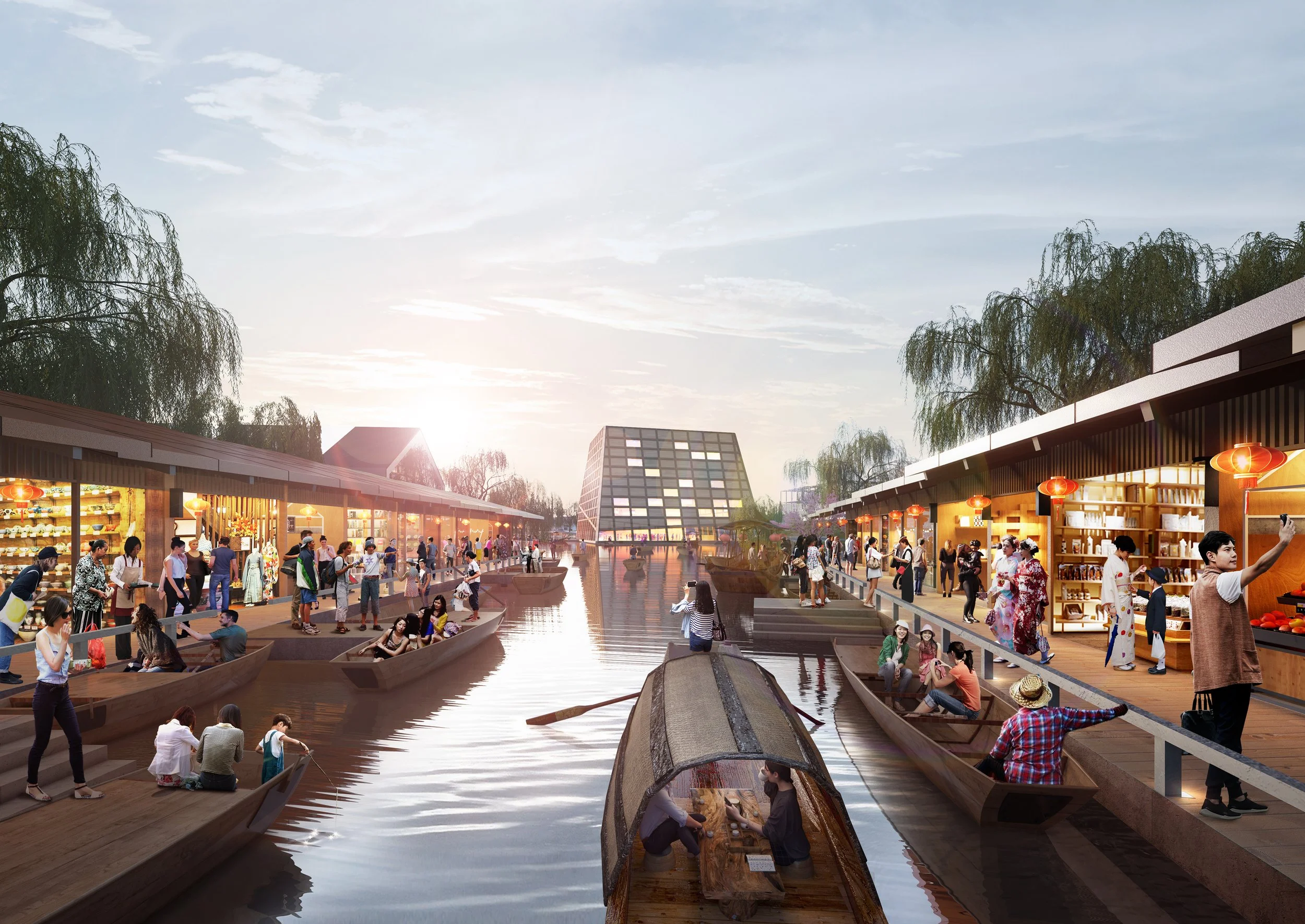
The end of the waterway faces the training and conference center
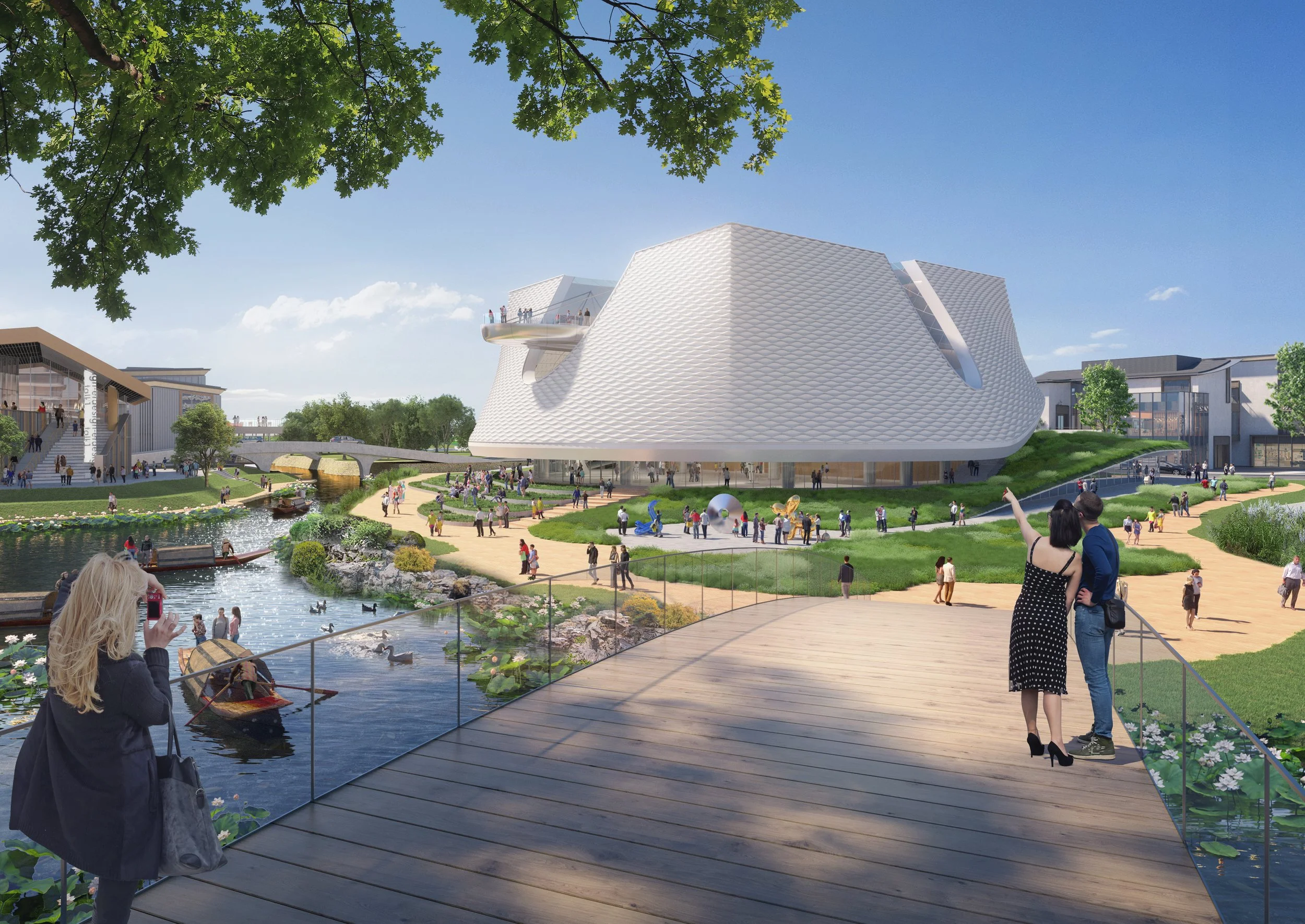
The stunning framed views can be enjoyed from the prominent observation deck of the Design Museum
Suzhou’s historic canal streets provided an important reference. For centuries these waterways have supported both movement and social exchange, with markets, workshops and homes lining the water’s edge. The Suzhou Qingtai Village adapts this tradition within a contemporary cultural district dedicated to design and creativity.
In a different cultural context, the classical gardens of Suzhou operate in much the same way. Pavilions, bridges and paths are carefully positioned not as isolated objects but as moments within a larger spatial narrative. Visitors wander slowly through these landscapes, discovering framed views, reflections in water and fleeting encounters with other people moving through the garden.
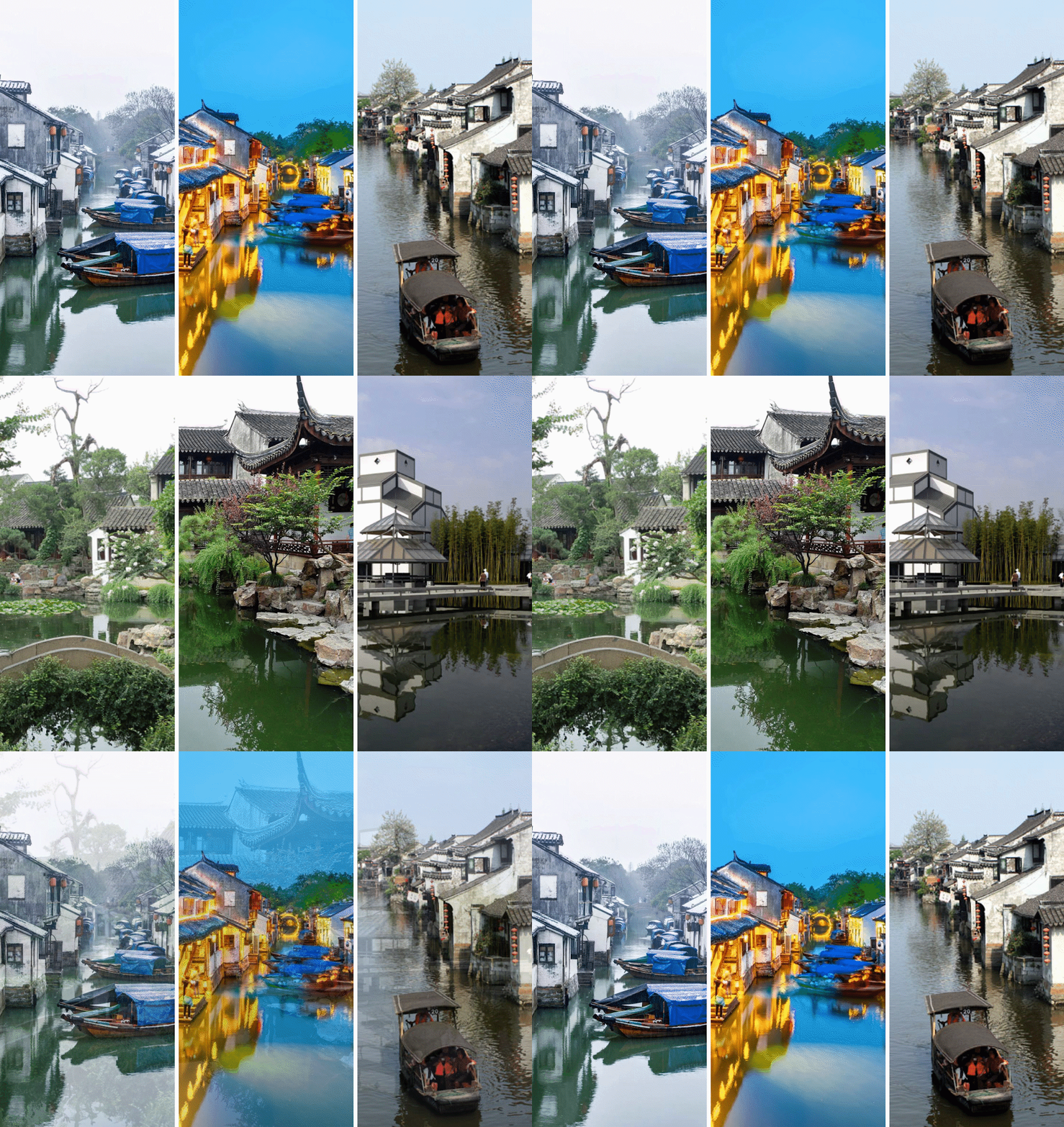
Suzhou Waterways and Garden Tradition
The Design Village master plan seeks to encourage a form of modern urban flânerie. Residents and visitors are invited to wander around, pausing to watch boats drift slowly through the water, to browse studios and galleries, or simply to enjoy the changing light across the waterfront. The architecture frames the scene, but the life of the place emerges through the presence of people.
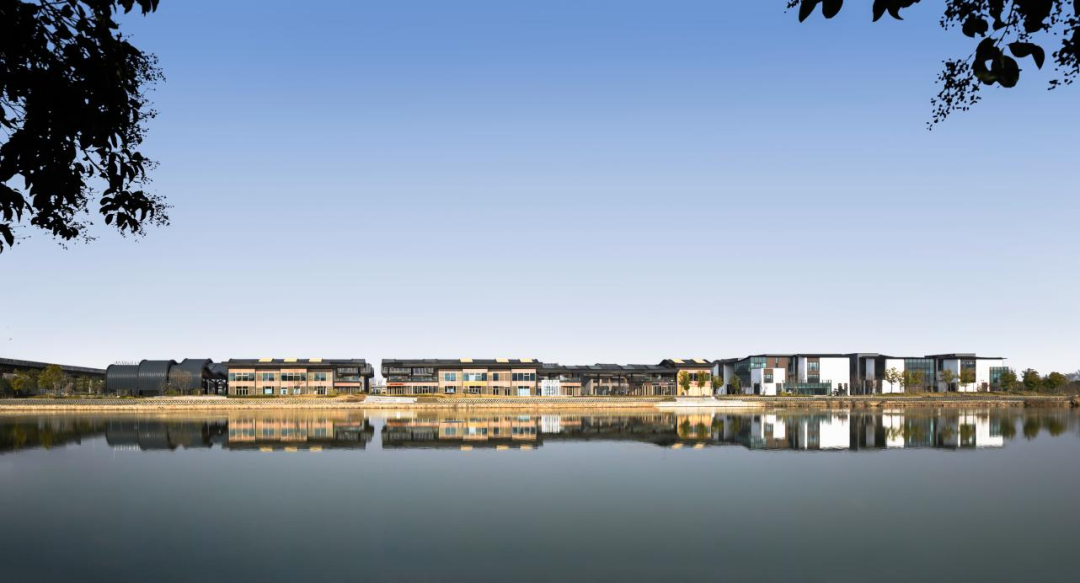
Lakeside dining in Phase 1 (Image source: Suzhou City Development Architectural Design Institute Co., Ltd./Suzhou Survey and Design)
Flâneur in The Dual Courtyards
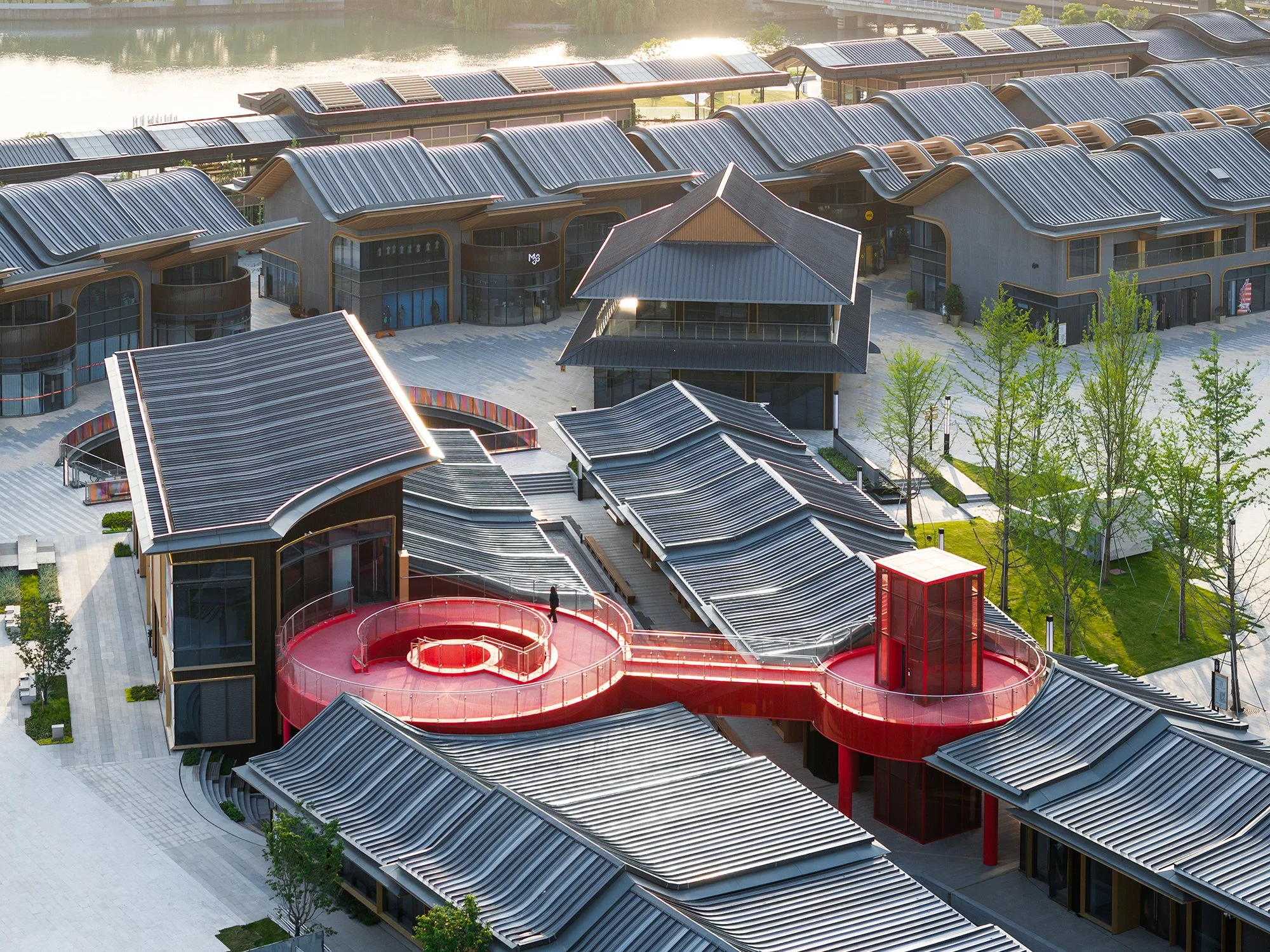
Phase Two of the Qingtai International Industrial Design Village has emerged as a masterclass in choreographed movement. Spanning an impressive 35,000 square metres, the development transcends the traditional streetscape, offering instead a "unique dual-courtyard approach" that invites the pedestrian to become a flâneur in a meticulously composed landscape. Here, the rigid geometry of the city softens into a rhythmic sequence of north-south and east-west thoroughfares, each thoughtfully punctured by architectural frames that capture the shifting light and leading the eye, invariably, toward the water’s edge.
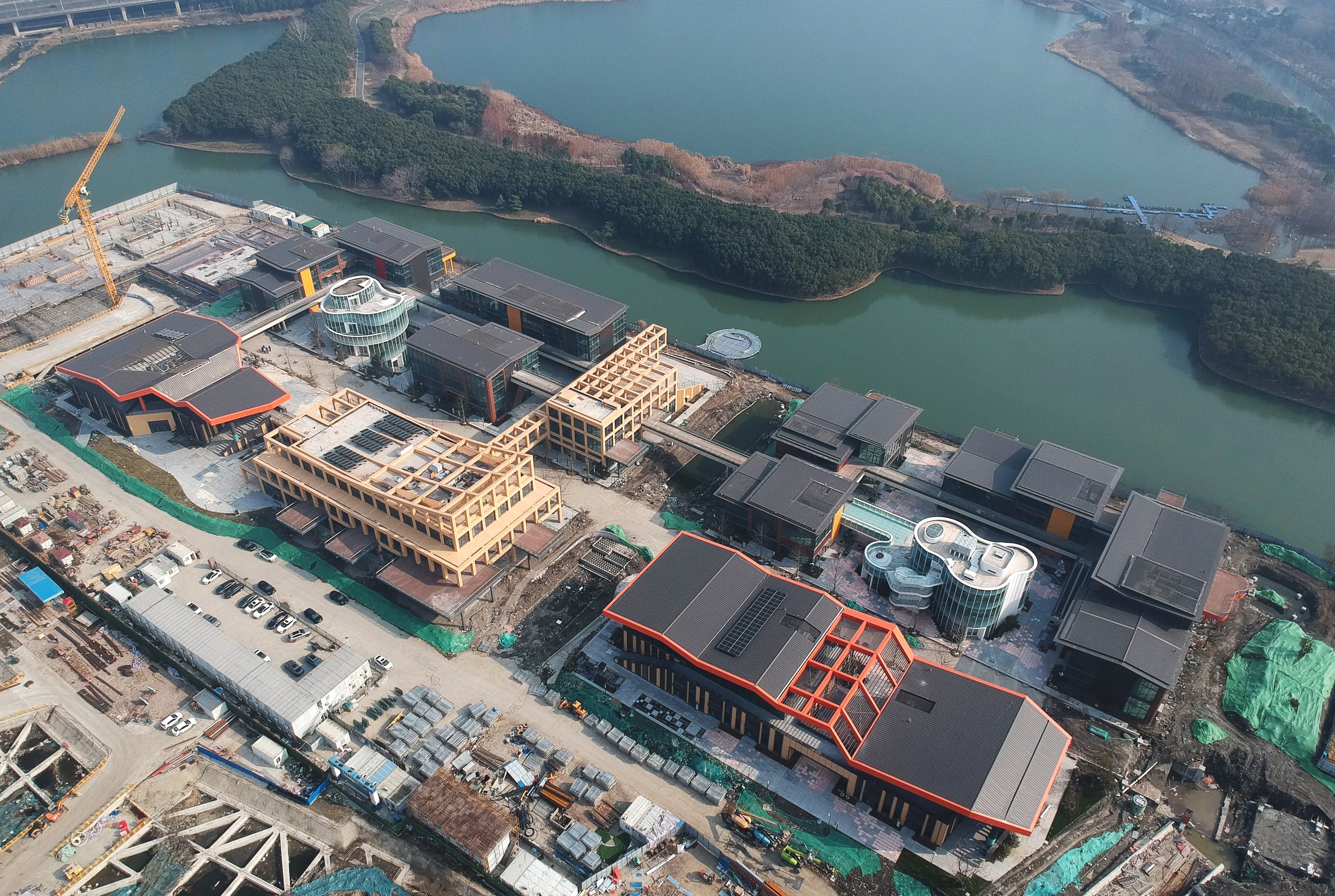
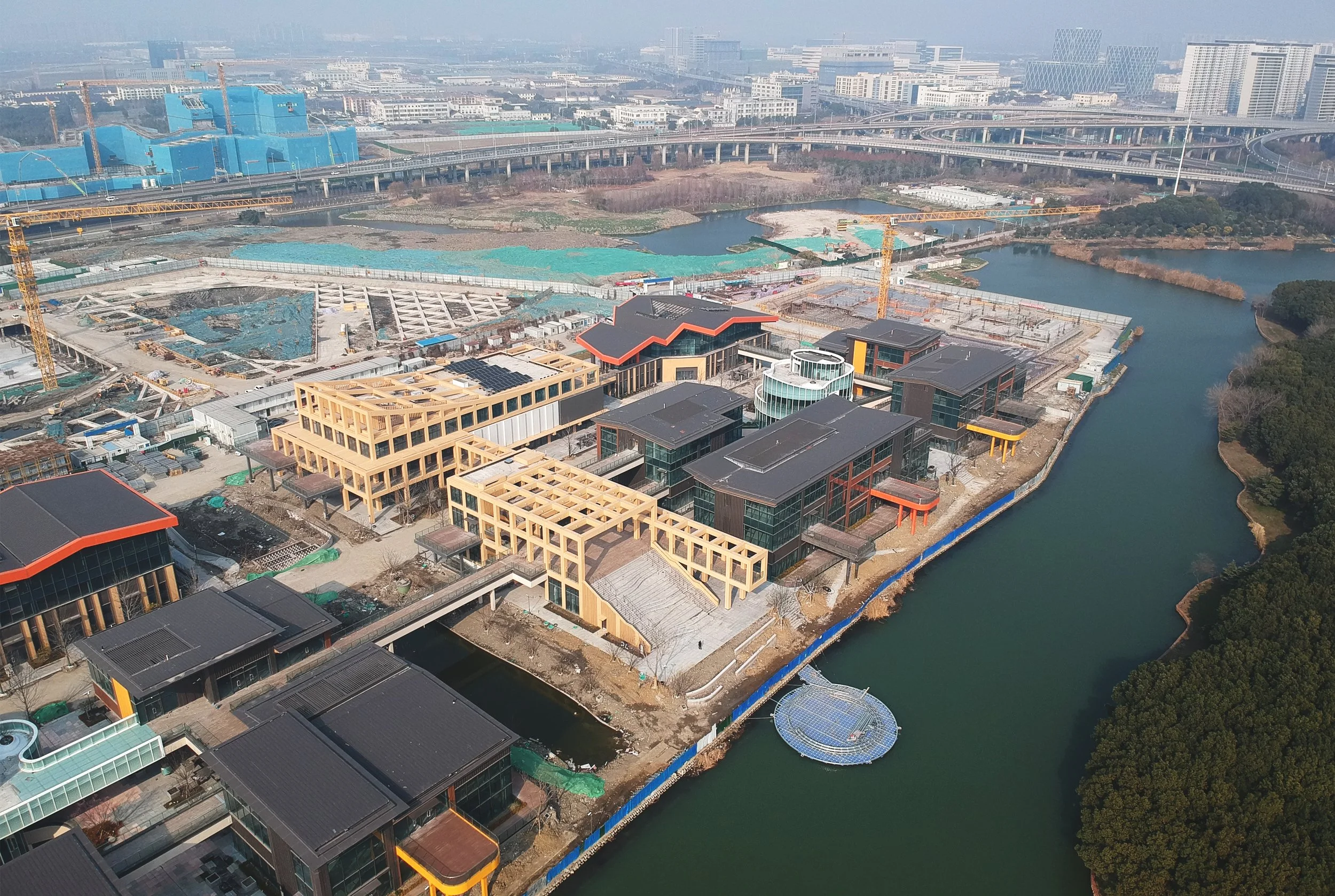
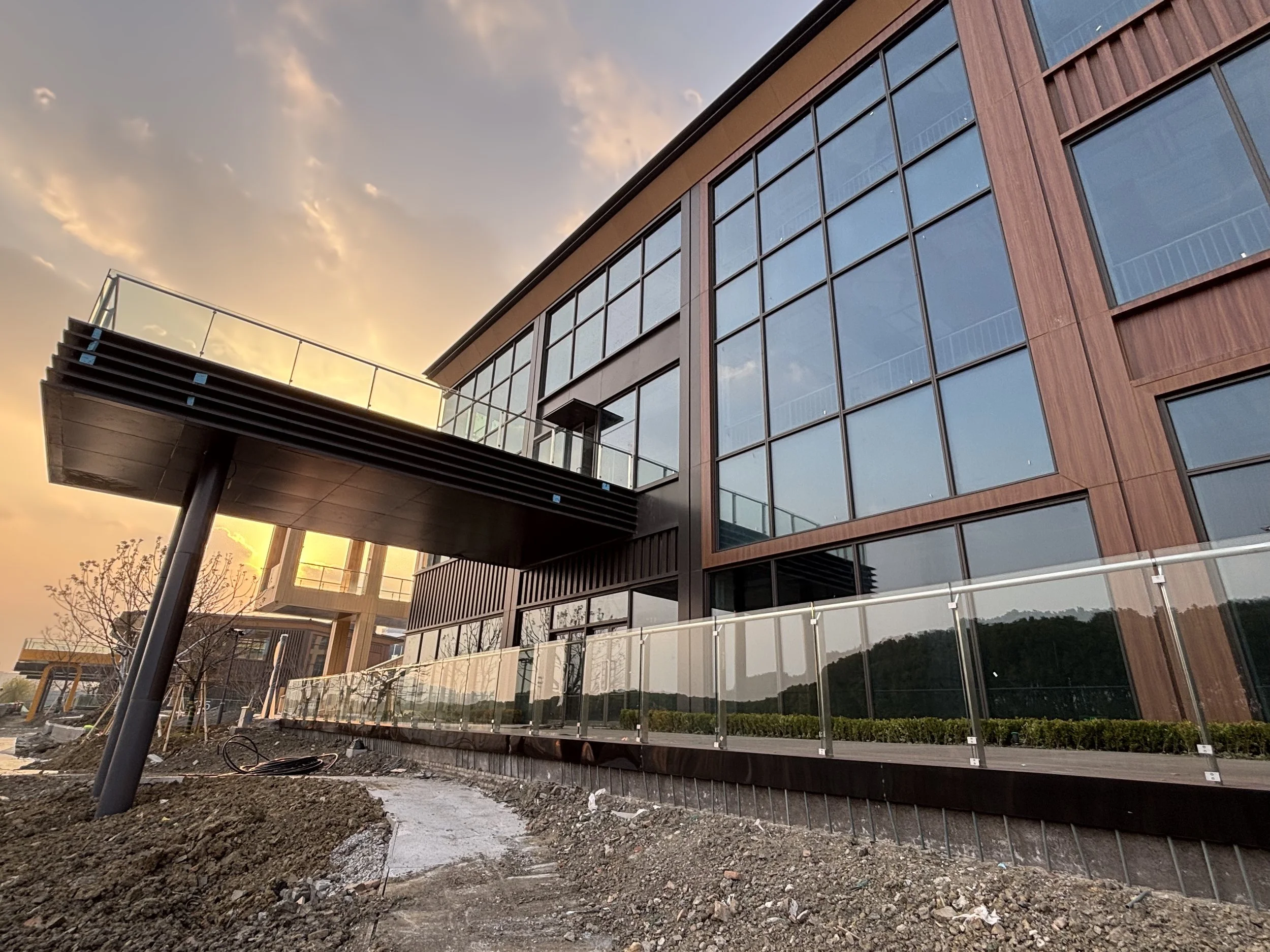
The architectural narrative is anchored by two principal commercial courtyards, where a collection of two- and three-storey blocks reinterprets the classic pitched roof with a contemporary, understated elegance. These volumes are effortlessly stitched together by elevated walkways at the second level, creating a layered experience of the village. At the centre of each courtyard, the dialogue between tradition and modernity is punctuated by a glass-clad pavilion.
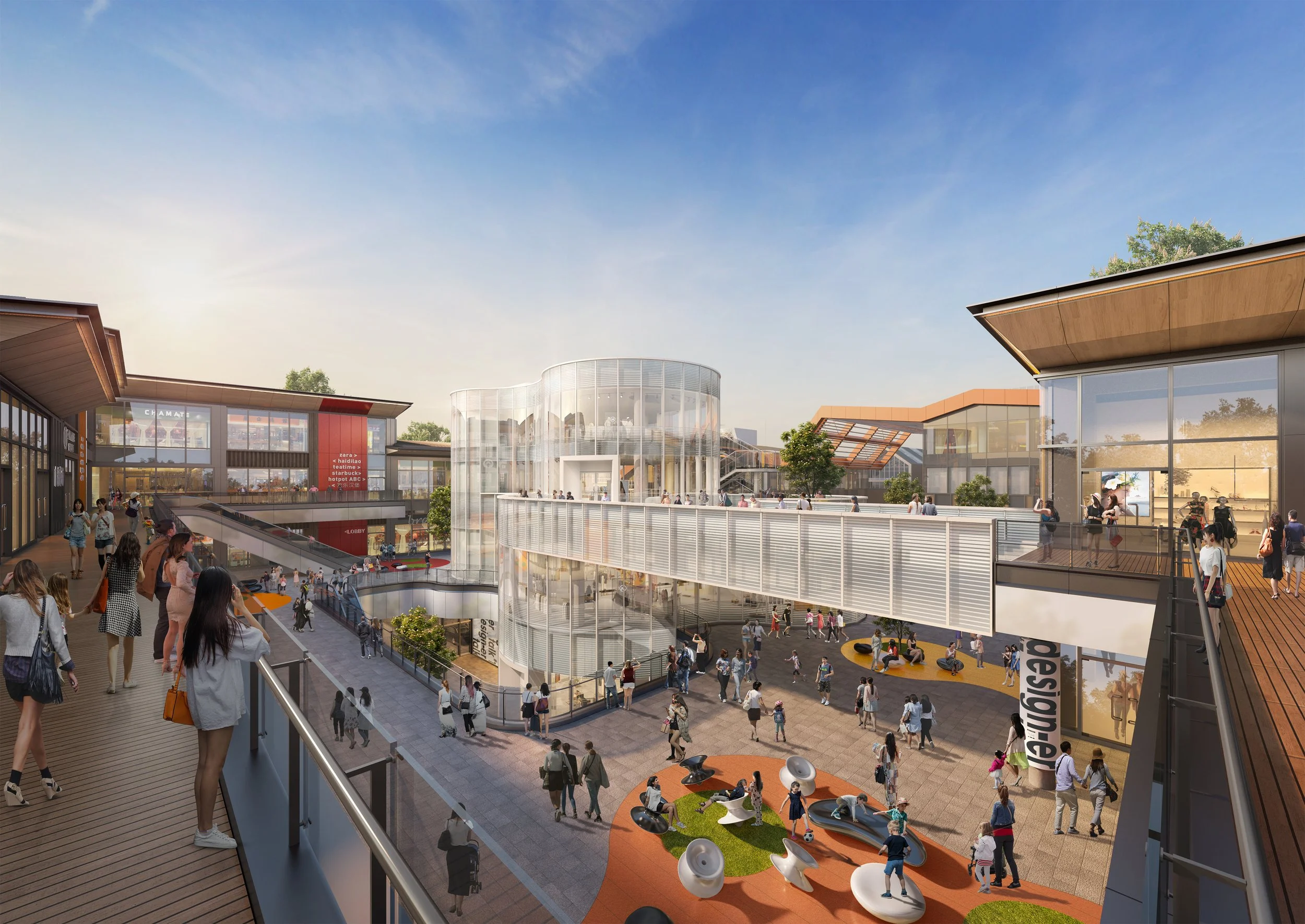
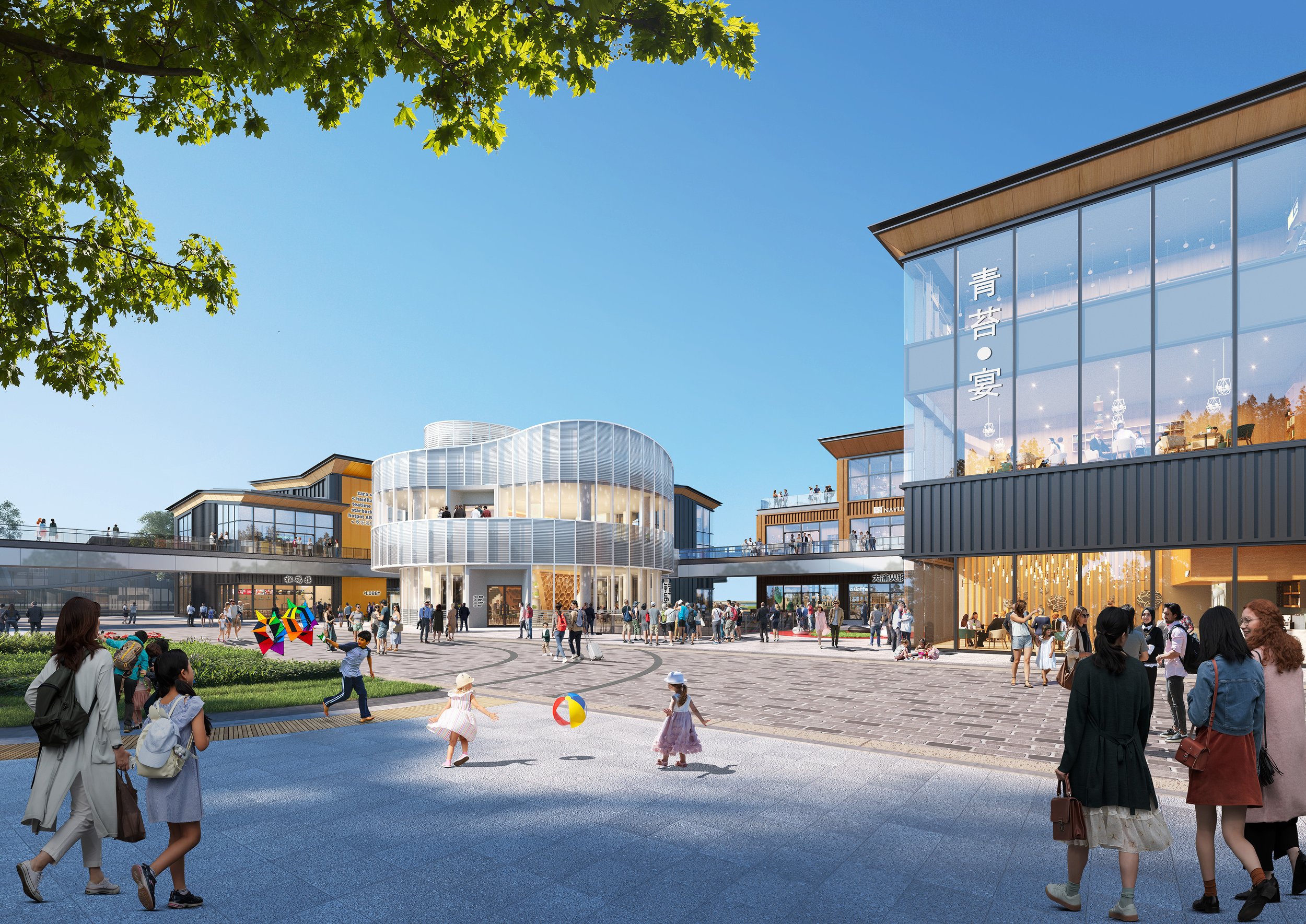
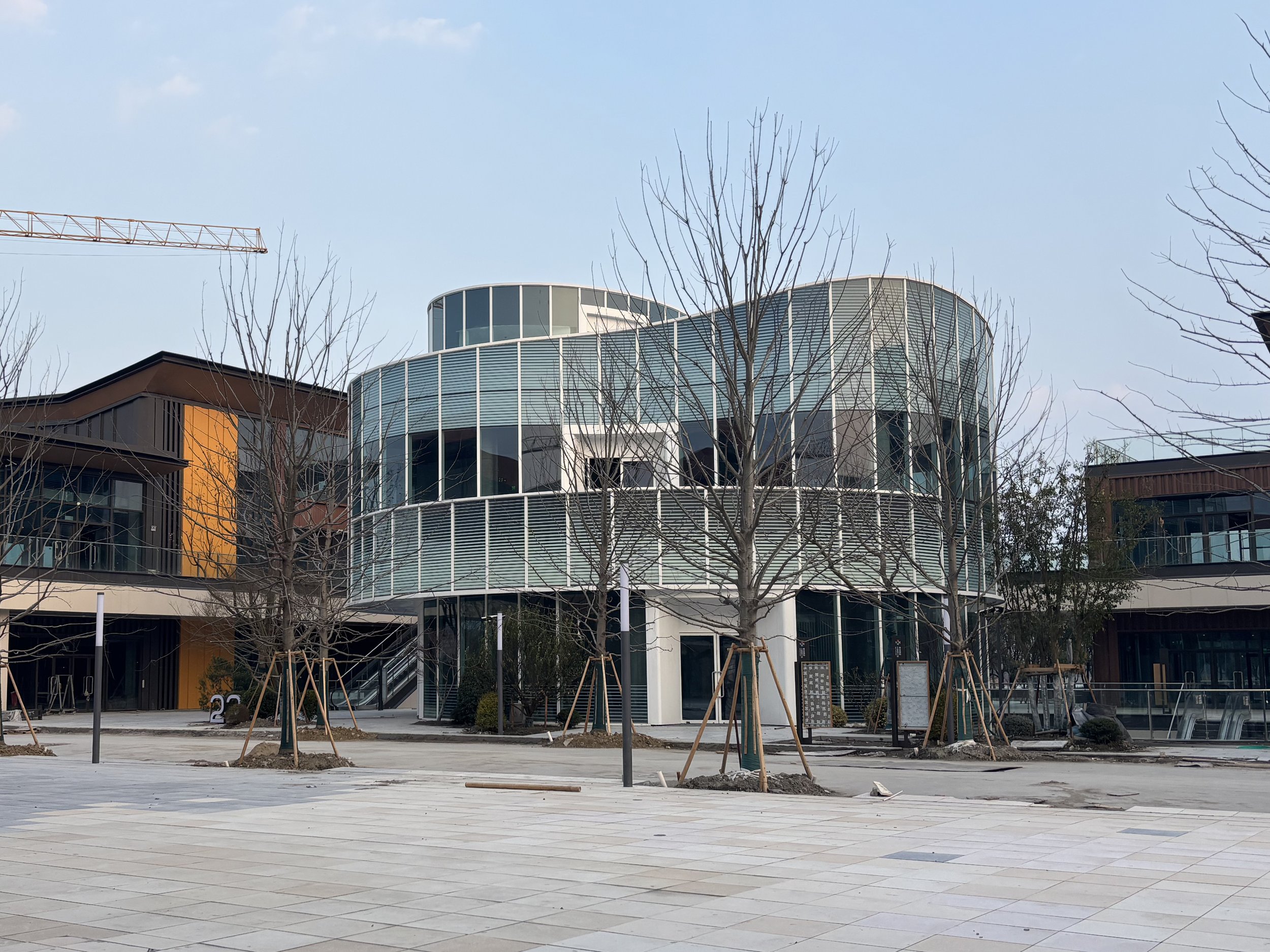
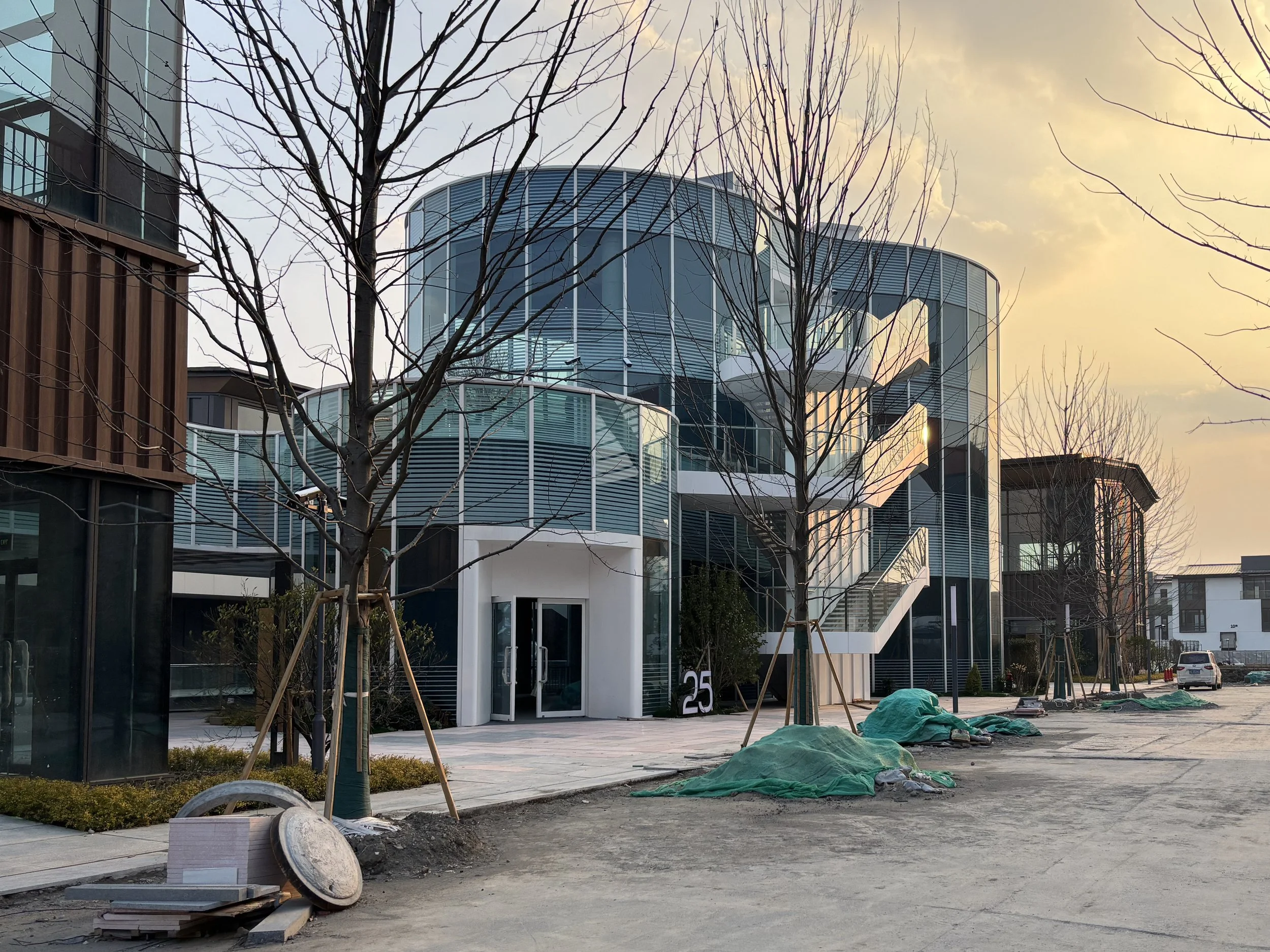
To the south, the pace slows to a refined leisure. Drawing inspiration from the storied riverfronts of Kyoto, the development introduces a Suzhou interpretation of the Kamo Terraces. These open-air balconies protrude into the lush landscape, bringing diners into intimate proximity with the Qingtai River. It is a setting of rare tranquillity, where one might enjoy a curated meal against the backdrop of the Huqiu Wetland, finding a moment of repose within a space where industrial innovation and pastoral beauty find their perfect, elegant equilibrium.
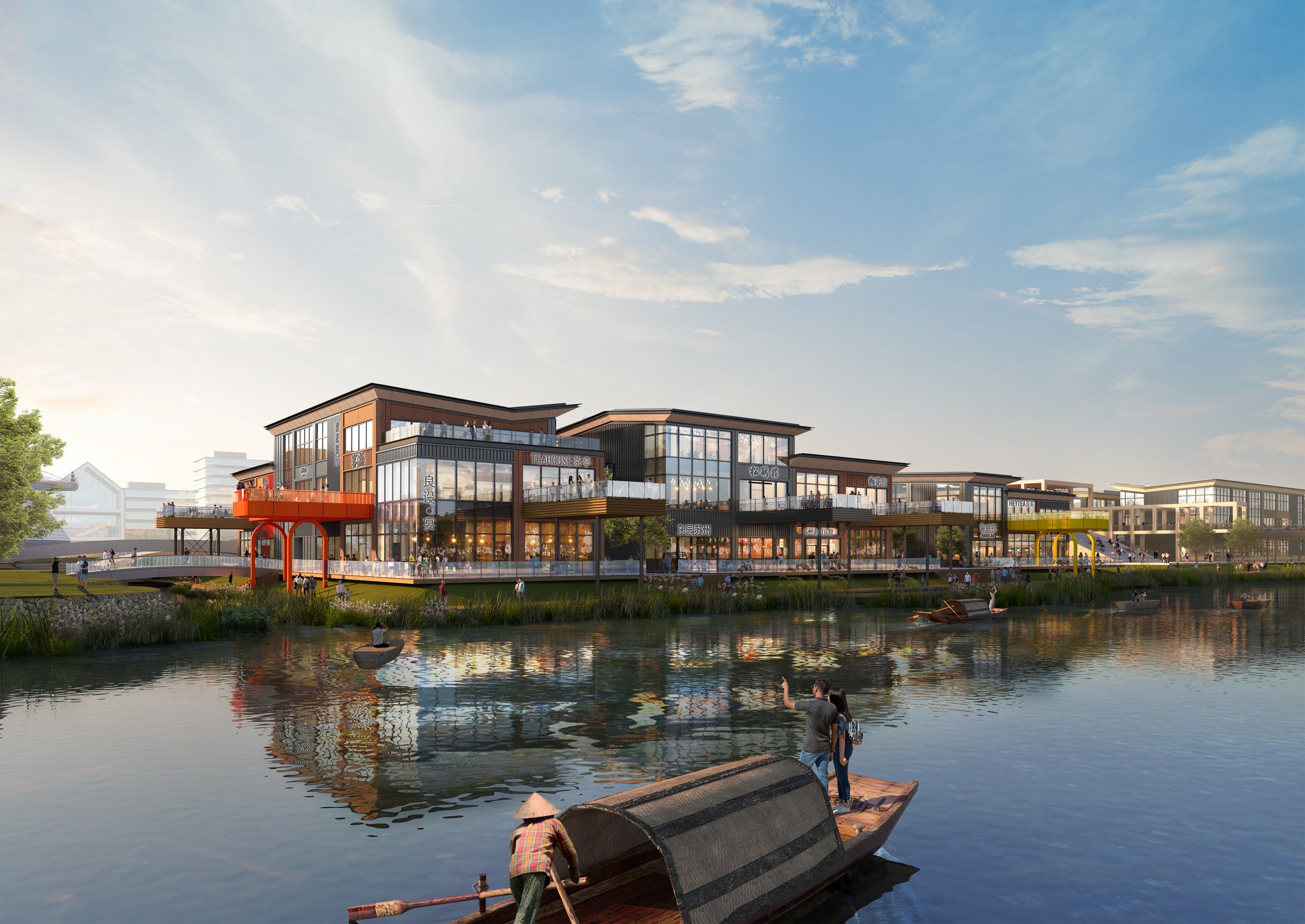
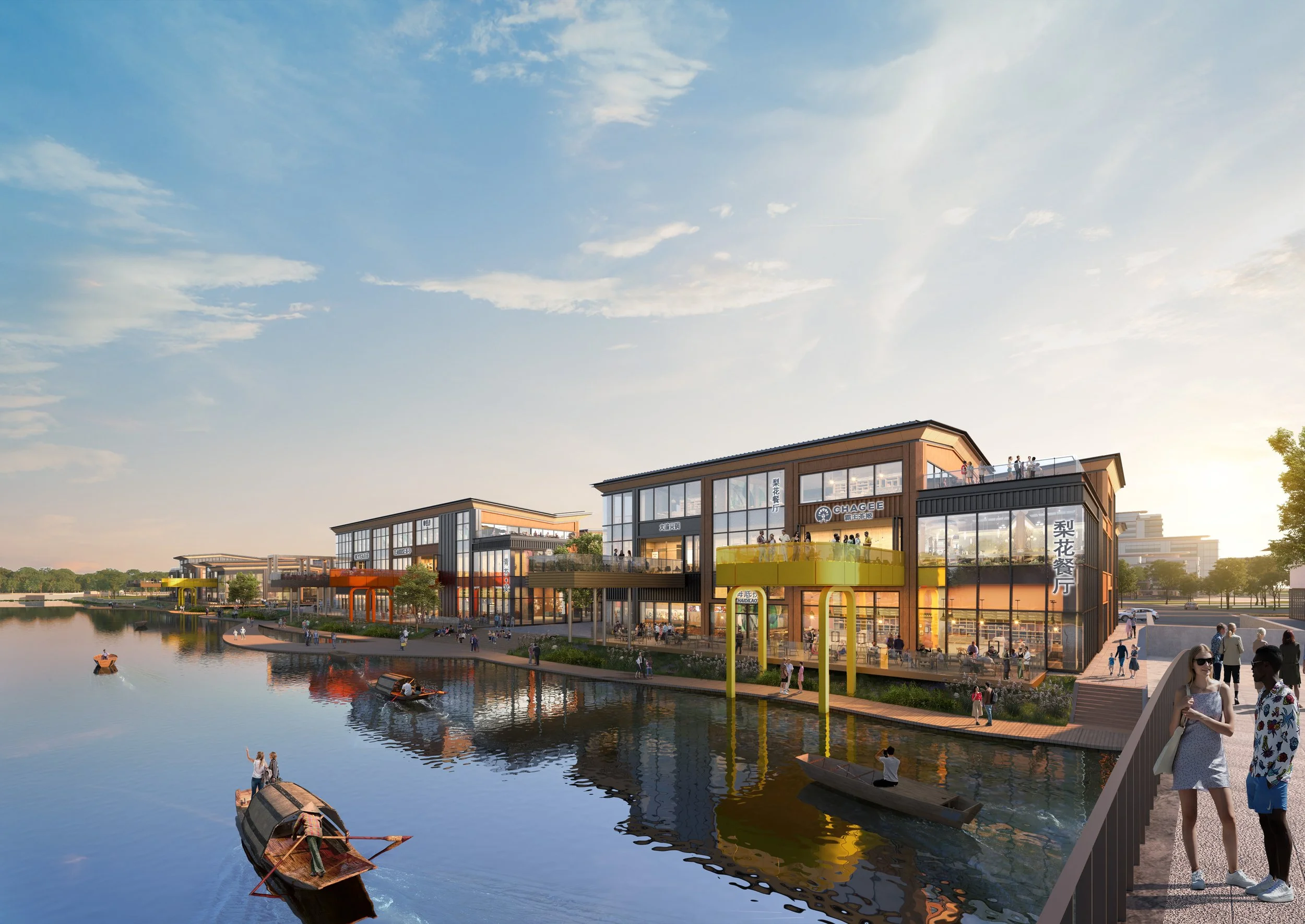
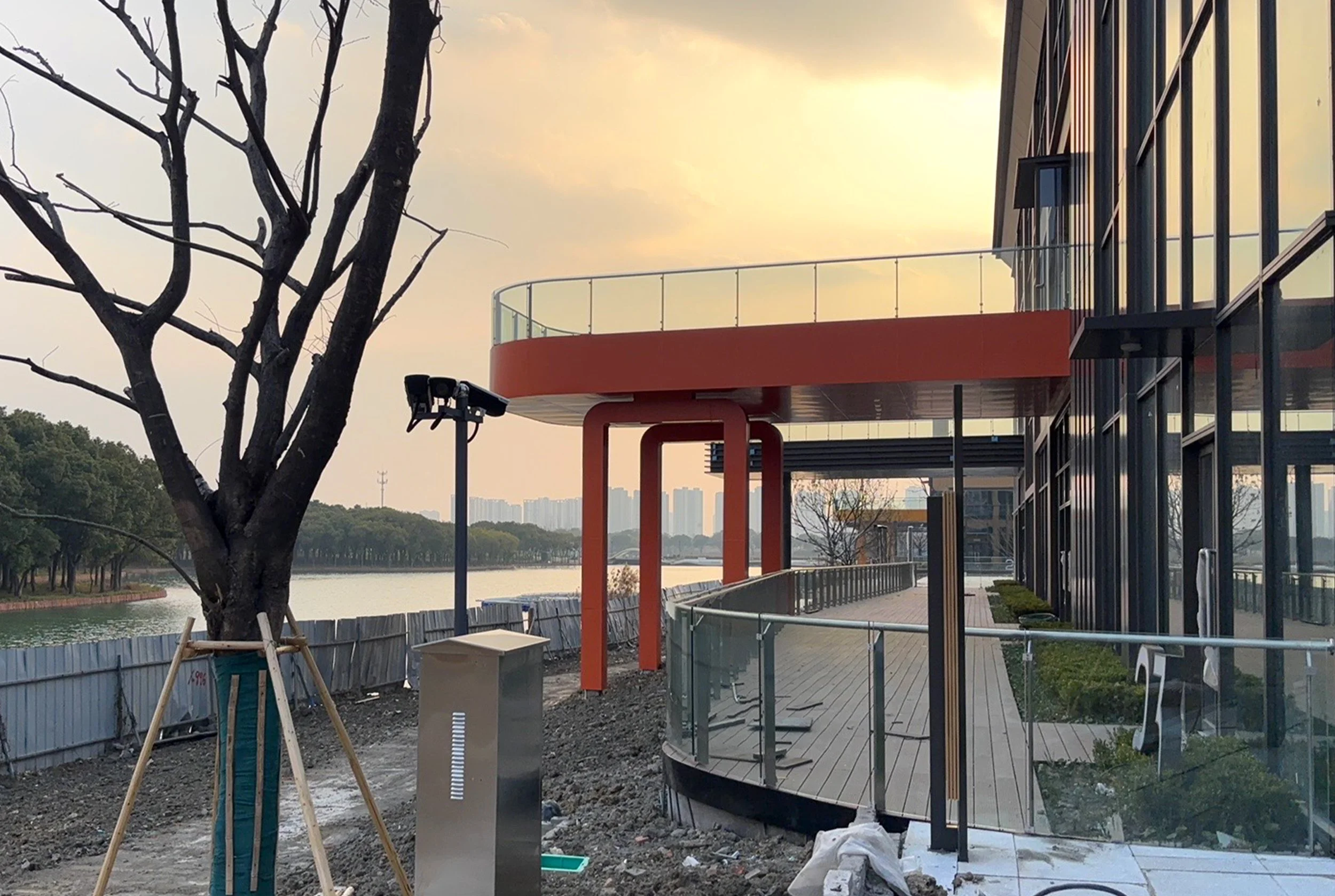
In this sense the project might be understood as a contemporary social picturesque an urban environment where the subtle ecology of water, movement and social life creates the conditions for a richer civic atmosphere.
Ultimately SPARK’s ambition for the Qingtai Village is simple: to create a place that people enjoy inhabiting. Cities are remembered not only for their buildings but for the small moments they enable, a walk beside the water, a chance conversation, the pleasure of noticing something unexpected. The planning framework establishes the physical connections, but it is the life of the street that completes the place. In this sense the architecture provides the setting, while the everyday rituals of the city become the real subject of the design.