
SPARK’S LATEST RESEARCH PROJECT: LONDON FOG
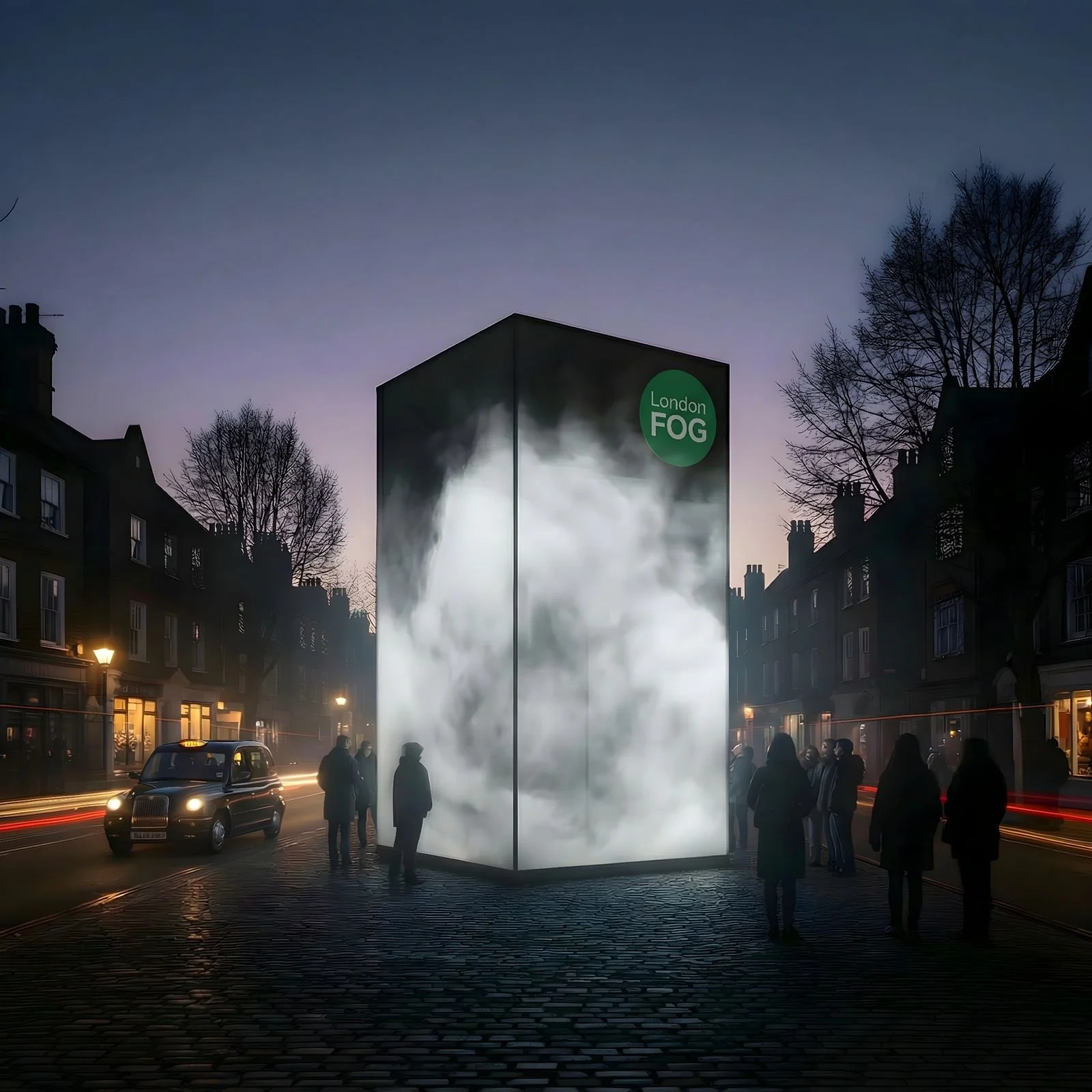
London once lived inside its own pollution. For much of the nineteenth and early twentieth century, coal smoke from millions of domestic hearths mixed with winter fogs to form a thick, acrid atmosphere that settled over the city. It was ordinary, habitual, and largely accepted, until it became lethal. Only then was it recognised as a civic problem rather than a private one, leading eventually to regulation, cleaner air, and a rethinking of domestic comfort and responsibility.


Today, London lives above a different kind of fog. It is not visible in the air, but it accumulates quietly below ground. Fatbergs, vast agglomerations of fats, oils, grease form with debris in the city’s sewers, blocking pipes, damaging infrastructure, and requiring dangerous and expensive removal. Like the fog of the past, they are not industrial accidents. They are the collective by-product of ordinary domestic life.
Technically, the material at the heart of a fatberg has a name, “FOG”; fats, oils and grease. Crucially, FOG only becomes a fatberg after it mixes with black water in the sewer. Before that moment, while it remains part of domestic grey water, it is still warm, separable, and relatively clean. In other words, it is not yet a problem. It is a potential resource that has simply been ignored for too long.
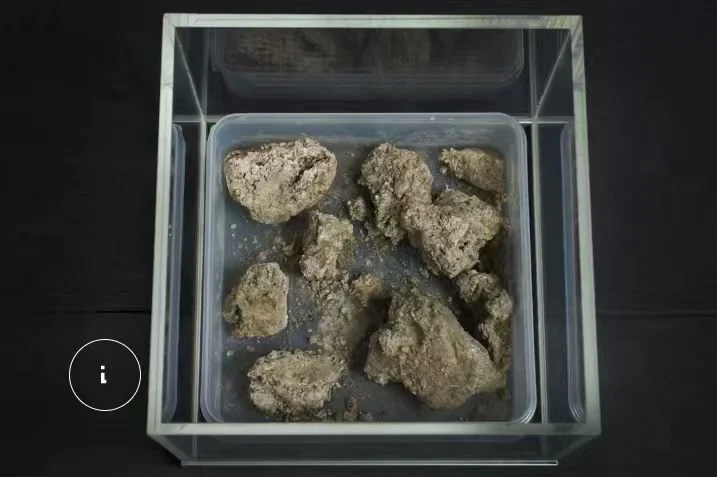

London FOG begins with that insight. Rather than treating fatbergs as an inevitable maintenance burden to be heroically removed downstream, it asks a simpler question: what happens if domestic fats are intercepted before they enter the sewer system? The answer is not a new megaproject, nor a demand that individual households manage complex equipment. Instead, it lies at the neighbourhood scale small, distributed interception points embedded quietly into the city’s existing infrastructure, capturing FOG early and aggregating it safely.
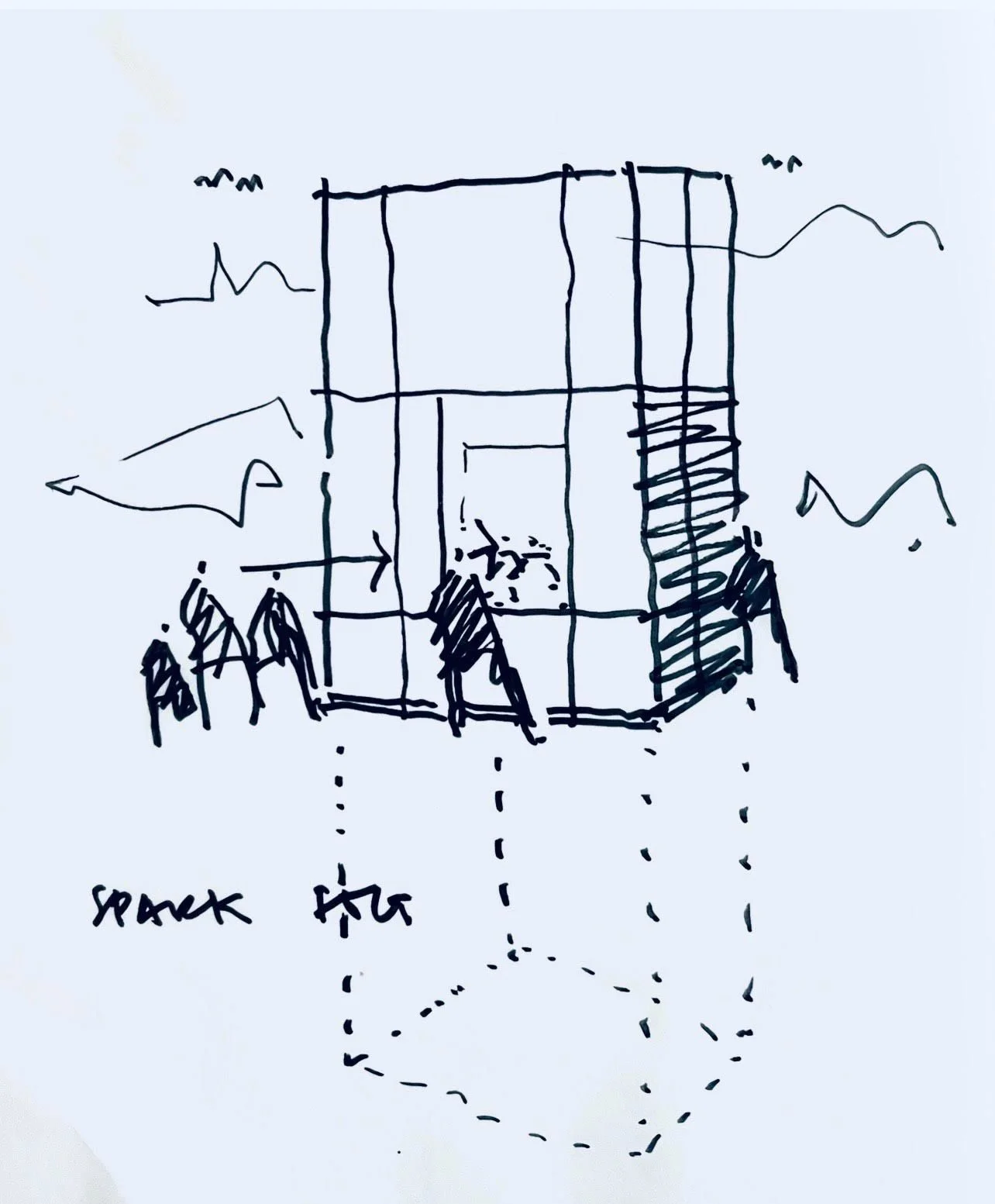
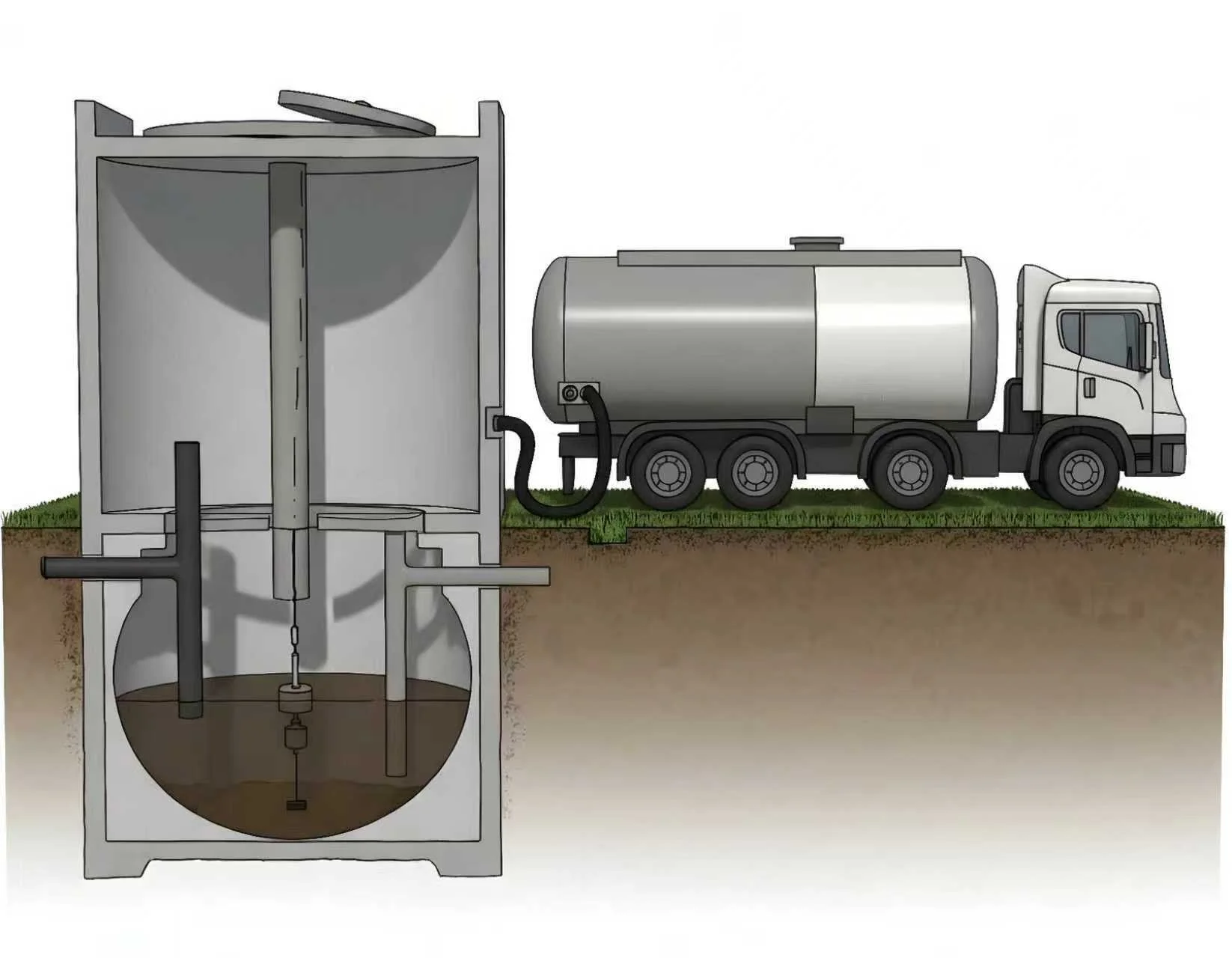
This shift in timing changes everything. Upstream interception reduces emergency maintenance, protects ageing sewers, and transforms a recurring liability into a measurable civic asset. Domestic FOG is energy-dense. Across London, the fats washed from kitchens each year contain on the order of 80 gigawatt-hours of chemical energy. That figure is abstract until translated into something familiar: it is roughly enough to power a London neighbourhood the size of Hampstead for a year.
The point is not that London should be “powered by fat”, nor that domestic behaviour must be moralised. The point is that the city already produces this energy, and currently spends tens of millions of pounds each year cutting it out of its sewers once it has become contaminated and dangerous. London FOG reframes this expenditure as preventive maintenance rather than emergency response, and as a form of urban metabolism that can be understood, managed and quietly valued.
In this sense, London FOG is less a proposal than a correction. It suggests that, just as London once learned to see domestic smoke as a civic issue rather than a private one, it may now be time to recognise domestic fat in the same way. Not as something shameful or spectacular, but as a material flow that deserves attention before it becomes a problem. The city has solved this kind of issue before, not through grand gestures, but through calm, collective care.